Virtual Tables Unpacked: Engineering Probabilities in Digital Craps, Roulette, and Baccarat
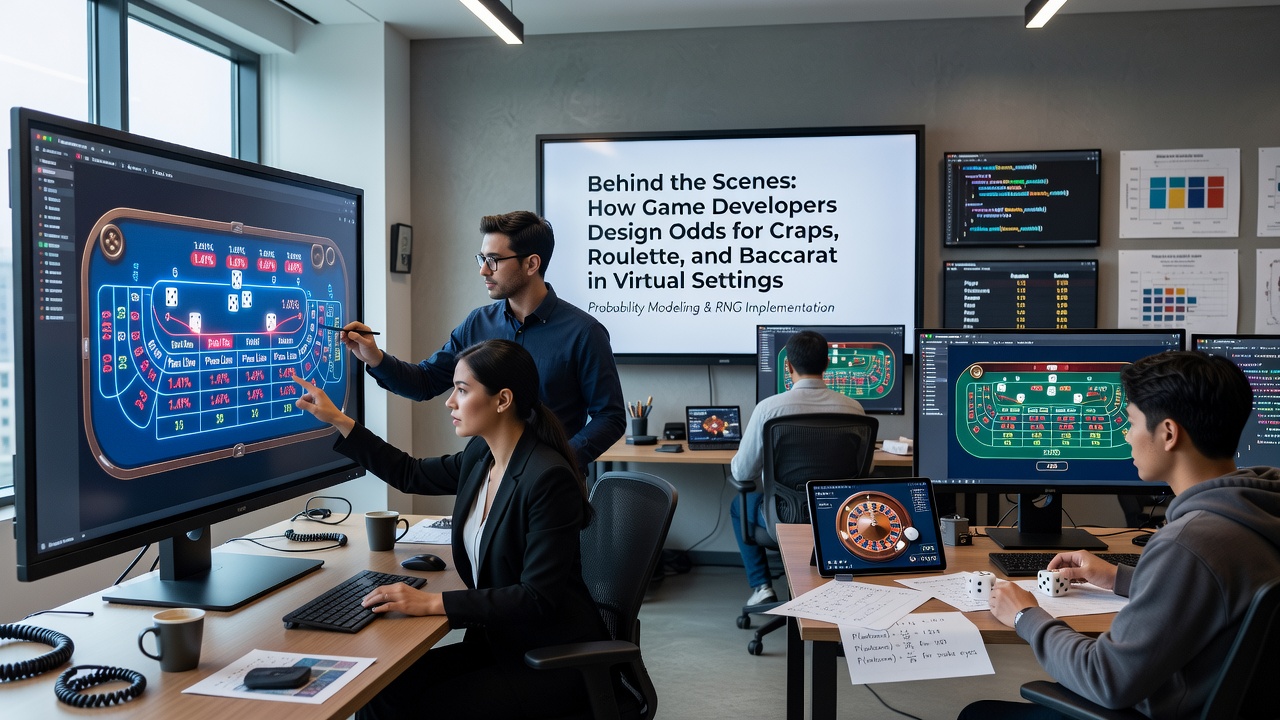
Game developers approach odds design for virtual craps, roulette, and baccarat by combining mathematical models with certified random number generators that replicate physical probabilities while maintaining house edges. These systems undergo testing from independent laboratories before deployment across regulated platforms, and data from July 2026 shows continued reliance on such frameworks as markets expand in North America and Asia.
Roulette Probability Construction
Developers set roulette outcomes through RNG sequences that distribute numbers across 37 pockets for European variants or 38 for American ones, which produces the familiar house edges of 2.7 percent and 5.26 percent respectively. Each spin draws from a fresh seed value generated by hardware entropy sources, and the resulting distribution matches theoretical frequencies documented in regulatory submissions. Software teams calibrate payout tables so that straight-up bets return 35 to 1 while the overall edge stays fixed regardless of player volume, a structure verified through millions of simulated spins during certification cycles.
Craps Odds and Bet Structures
Craps virtual implementations map dice combinations to exact probabilities, with the seven appearing once every six rolls on average and pass line bets carrying a 1.41 percent house edge. Developers program multiple simultaneous RNG streams to simulate two dice rolls, then layer additional logic for proposition bets that carry higher edges such as the 16.67 percent on any seven. Testing protocols require that long-run frequencies align with combinatorial mathematics, and platforms must log every outcome for audits conducted by bodies like the Nevada Gaming Control Board.
Baccarat Draw Rules and Edge Calculation
Baccarat algorithms follow fixed draw rules where the banker and player hands receive cards according to predefined thresholds, yielding house edges of 1.06 percent on banker bets after commission and 1.24 percent on player bets. Virtual versions embed these rules directly into code so that third-card decisions occur automatically without deviation. Developers verify edge calculations through exhaustive enumeration of all possible eight-deck shoe combinations, then subject the RNG output to statistical tests that confirm uniformity across card ranks and suits.
Random Number Generator Implementation
Behind every virtual table sits an RNG certified to standards set by organizations such as iTech Labs and Gaming Laboratories International. These generators pass suites including diehard and NIST tests, after which regulators review source code and seed management procedures. In practice, operators receive updated certificates every six months, and figures from regulatory filings indicate that fewer than 0.01 percent of certified RNGs show measurable bias during re-testing cycles.
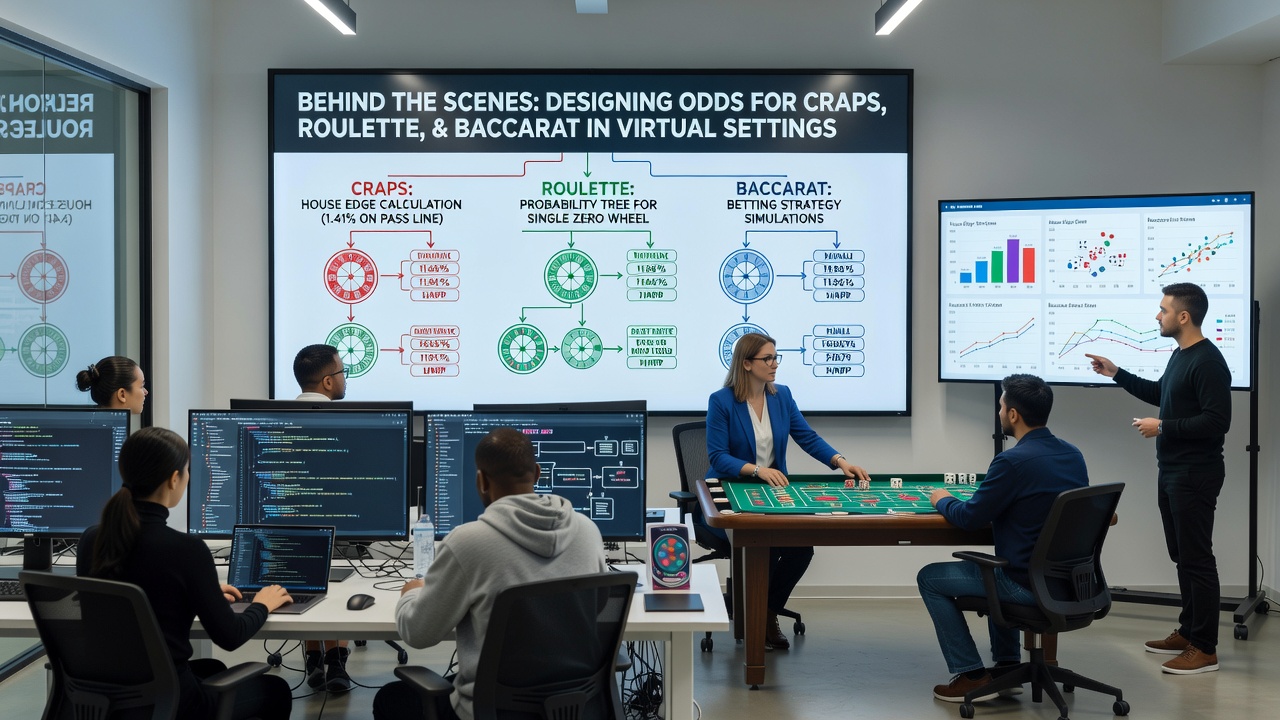
Integration of these generators into game engines requires careful separation between the random source and the game logic that applies payout multipliers. Teams document every mapping from random value to game event, creating audit trails that satisfy requirements from multiple jurisdictions including those in Australia and several Canadian provinces. When a new title launches, developers submit these documents alongside simulation results that demonstrate the realized house edge falls within 0.05 percent of the theoretical target.
Regulatory Oversight and Certification
Independent test houses examine both the RNG and the complete game mathematics before any title reaches players. Reports submitted to regulators detail payout percentages, volatility indices, and maximum exposure limits. Observers note that jurisdictions outside the UK, such as the Malta Gaming Authority and the New Jersey Division of Gaming Enforcement, maintain separate approval tracks that sometimes require additional live dealer comparison testing even for fully RNG titles. Data collected through 2026 indicates average approval timelines of 12 to 18 weeks once initial submissions clear.
Conclusion
Virtual craps, roulette, and baccarat all rely on the same foundational process: RNG certification followed by mathematical verification that locks in predetermined house edges. Developers maintain detailed records of every design decision, and regulators continue to review those records as new markets open. The result is a consistent experience where published odds match long-term outcomes across millions of plays.