Floor Plans and Player Pathways: Shaping Game Choices in Crowded Casinos
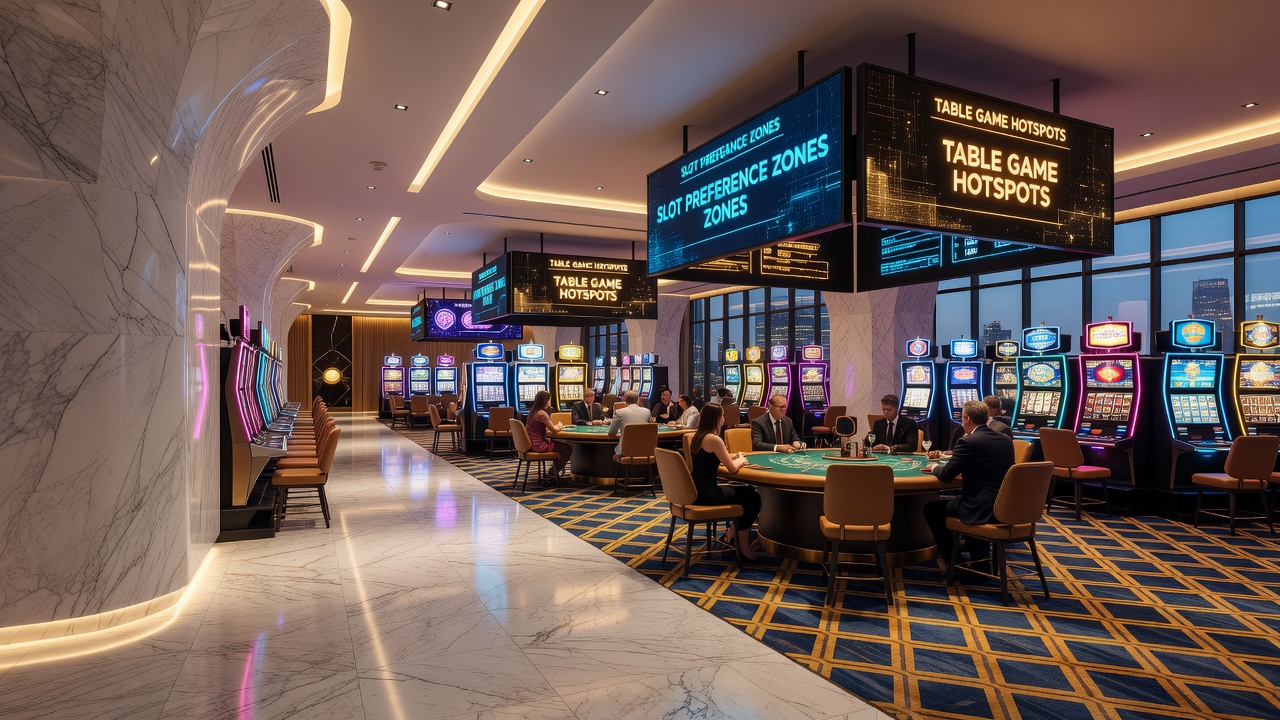
High-traffic casinos rely on deliberate spatial arrangements that direct foot traffic, and these setups consistently shape which games draw the most players at any given moment. Observers note how pathways, lighting zones, and sound barriers create natural funnels that steer crowds toward specific gaming areas while leaving others less visited. Research indicates such designs emerged from decades of observation rather than chance, with operators tracking movement patterns through surveillance data and heat maps.
Venues on the Las Vegas Strip, for instance, often position high-volume slot banks near main entrances because data shows players entering these facilities tend to engage with machines they encounter first. Table games sit farther in, behind visual barriers that require deliberate navigation, which reduces impulse plays at those stations during peak hours. Australian researchers from the Centre for Gambling Education and Research documented similar patterns in Sydney properties where central atriums filled with electronic gaming machines captured over 60 percent of initial selections among arriving visitors.
Pathway Design and Visibility Factors
Wide, curved corridors encourage steady forward movement while narrower side routes lead to quieter game clusters. Architects incorporate low barriers and strategic sightlines so certain machines remain visible from multiple angles, boosting their selection rates in busy periods. Studies from the University of Nevada, Las Vegas International Gaming Institute reveal that games placed along primary walkways experience up to 35 percent higher play volume compared with those tucked into corners, even when payout percentages remain identical.
Sound levels also play a role because ambient noise from crowds and machines masks quieter table areas, pushing players toward the more immediate sensory pull of flashing reels. In June 2026 regulatory filings from the Nevada Gaming Control Board noted several Strip properties adjusting ceiling heights in high-traffic zones to alter acoustics and redirect flow toward newly installed progressive banks.
Placement Patterns Across Game Categories
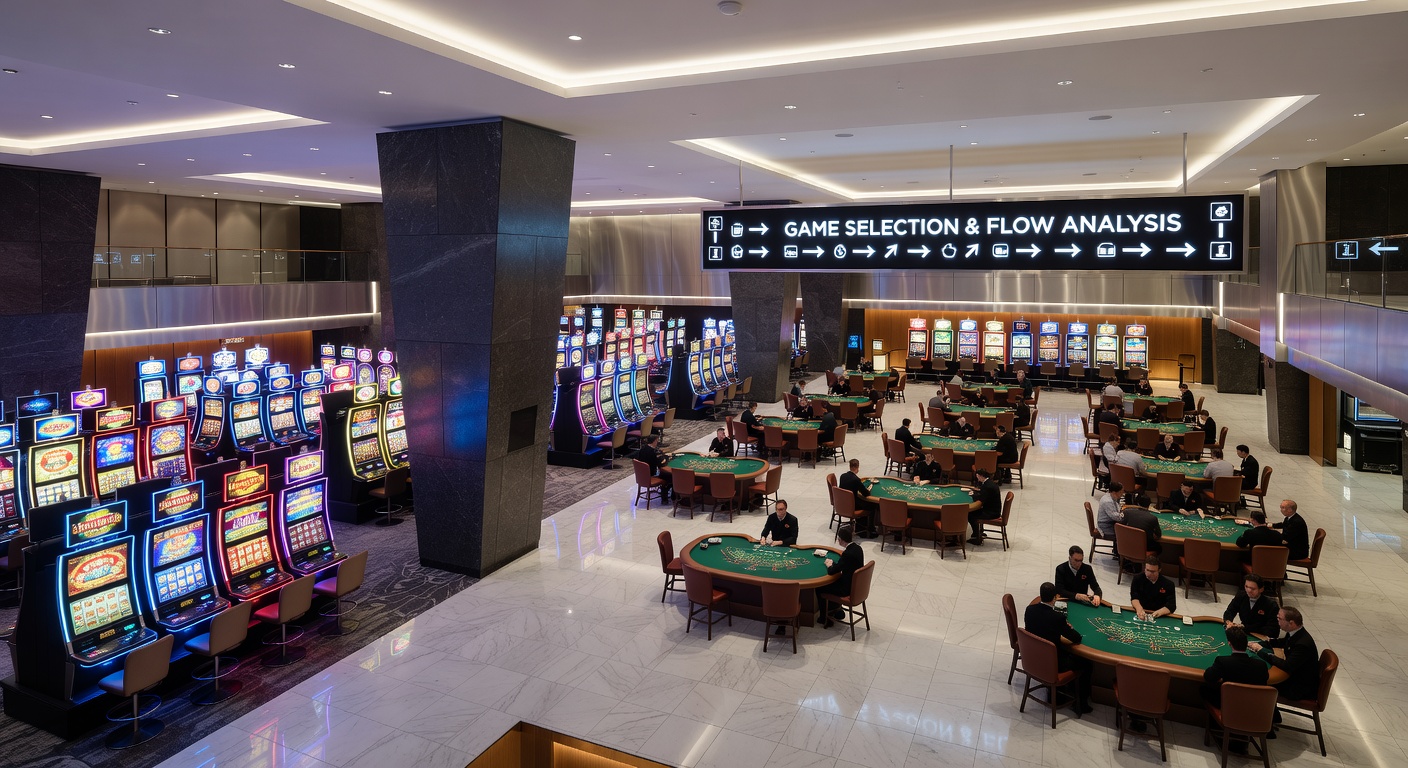
Slots dominate selection in most high-traffic settings because operators cluster them in open grids that accommodate large groups without bottlenecks. Video poker terminals often occupy transitional spaces between slot floors and restaurants, catching players who pause for breaks. Blackjack and roulette tables, by contrast, require more deliberate commitment since their locations demand crossing into semi-enclosed pits that feel separate from the main flow.
One study of a major Atlantic City property tracked over 12,000 player movements during weekend peaks and found that 72 percent of first-game choices occurred within 30 meters of the primary entrance. Games positioned beyond that radius saw markedly lower uptake until later in the visit when fatigue reduced exploratory behavior. These figures align with reports from the Canadian Gaming Association, which compiled multi-year data across several urban casinos showing consistent preference for games aligned with natural walking routes.
Traffic Management During Peak Times
During evening rushes, temporary rope lines and digital signage further refine these architectural influences by creating temporary chokepoints that funnel players past targeted promotions. High-traffic venues in Macau have implemented similar tactics, placing electronic table games at the base of escalators where descending crowds pause briefly. Data collected by the Macao Gaming Inspection and Coordination Bureau indicates these placements increased average session starts at those stations by 28 percent over a 12-month period.
Renovation cycles often test new configurations, and results get shared through industry associations. One recent redesign in a Singapore integrated resort shifted a bank of high-denomination slots from a side corridor into the central atrium, producing measurable uptake spikes among high-rollers who previously bypassed the area entirely. Such adjustments demonstrate how even minor repositioning alters selection patterns without changing game rules or odds.
Long-Term Trends in Venue Redesign
Operators continue refining layouts based on accumulating movement analytics, and newer properties incorporate more flexible modular flooring that allows seasonal repositioning of game banks. This adaptability addresses shifting demographics, such as younger visitors who favor quick-play electronic options over traditional tables. European data from the European Gaming and Betting Association shows similar adaptations in high-volume urban sites where architectural tweaks have sustained revenue despite fluctuating attendance numbers.
Observers note that these spatial strategies remain effective because they work with natural human navigation tendencies rather than against them. Players rarely retrace steps in crowded environments, so initial exposure determines most early choices while later selections depend on fatigue and accumulated wins or losses along the route.
Conclusion
Architectural elements in high-traffic casinos function as silent directors of player behavior, consistently influencing which games receive the majority of selections through placement, visibility, and pathway design. Data from multiple regulatory bodies and academic sources confirm these patterns hold across regions and venue scales. As facilities evolve, continued tracking of movement data will likely refine these approaches further while maintaining the core principle that layout precedes choice in busy gaming environments.