Evolving Shuffle Mechanisms and Their Effects on Baccarat Decision-Making in Lengthy Sessions
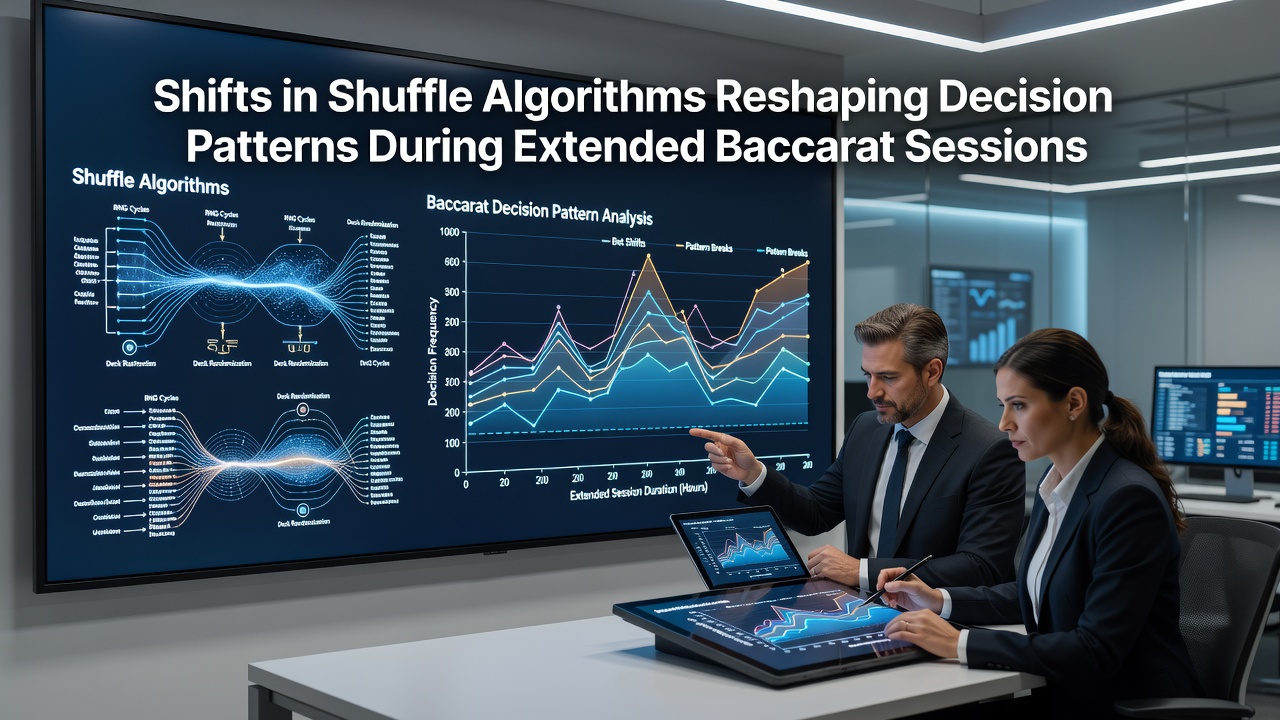
Card shuffling technology in baccarat has undergone significant transformations over recent decades, with automated systems and algorithmic randomization replacing many traditional hand-shuffled methods in both land-based and digital environments, and these changes continue to influence how participants adjust their betting approaches across extended play periods. Data from gaming regulatory bodies shows that electronic shufflers now dominate high-volume tables in major jurisdictions, creating more uniform distribution patterns that alter the streaks and sequences players once relied upon for decision cues.
Early baccarat setups depended on manual shuffling of multi-deck shoes, where human handling introduced subtle biases that experienced observers could sometimes detect over hours of continuous play, yet the introduction of continuous shuffling machines in the late twentieth century began to standardize outcomes and reduce predictable runs. Research conducted by institutions tracking casino operations indicates that algorithmic refinements since then have focused on achieving true randomness through complex pseudorandom number generators integrated with physical card handling, which in turn affects the statistical landscape that shapes wager timing and amount selections during prolonged sessions.
Technological Progression in Baccarat Shuffling
Automatic shufflers emerged prominently in the 1990s across North American and Asian casino markets, and these devices evolved by June 2026 to incorporate multi-layered encryption protocols that prevent any form of sequence prediction while complying with updated standards from bodies such as the Nevada Gaming Control Board. Studies from the University of Nevada, Reno's gaming research center have documented how these machines cycle cards at rates that eliminate the clustering effects common in older manual processes, thereby compelling players to recalibrate their reliance on trend-based betting systems like the Martingale or Paroli methods.
Online platforms adopted similar algorithmic frameworks earlier, with software providers deploying certified randomizers audited under international testing standards, and this shift extended the reach of such technology to virtual baccarat tables where session lengths often exceed those in physical venues. Figures from industry reports reveal that extended sessions now feature decision intervals spaced differently because the absence of human-induced patterns forces more frequent reassessments of bankroll allocation and side-bet participation.
Observed Changes in Player Decision Patterns
Participants in lengthy baccarat sessions historically tracked banker or player streaks to inform their next moves, but enhanced shuffle algorithms disrupt these visual cues and lead to increased use of flat betting strategies or session timers that limit exposure. Data compiled by the Australian Institute of Gambling Research shows a measurable uptick in conservative wagering after the first two hours of continuous play at venues employing next-generation shufflers, as the perceived randomness reduces confidence in pattern continuation.
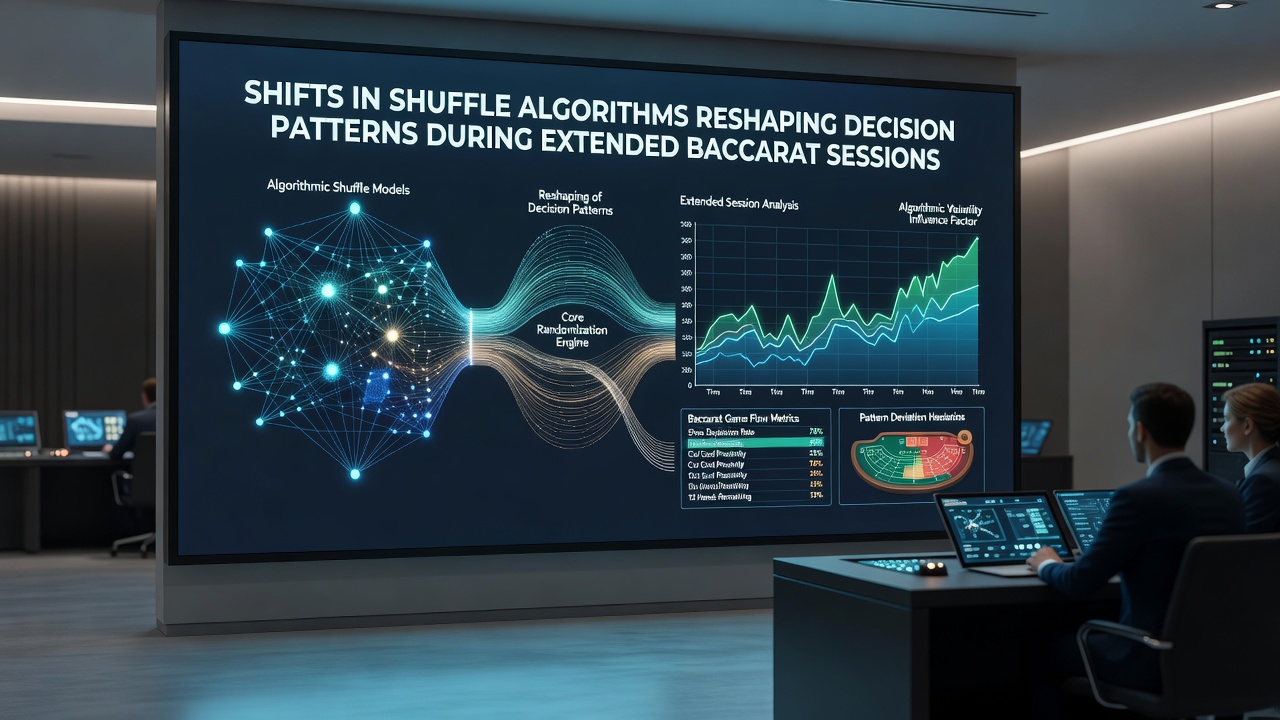
Take one analysis of table data from European casinos that found decision reversal rates rising by approximately 15 percent in sessions surpassing four hours once algorithmic shufflers replaced manual methods, and this adjustment occurs because the uniform card distribution minimizes the hot and cold streaks that once guided aggressive doubling-down tactics. Observers note that software tracking tools integrated into some modern tables provide real-time statistical feedback, further encouraging players to abandon sequential thinking in favor of probability-based thresholds that account for the machine-driven randomization.
Regulatory and Operational Context as of Mid-2026
By June 2026 several regulatory frameworks in Asia-Pacific regions had mandated independent verification of shuffle algorithm integrity every six months, and these requirements stem from collaborative efforts between gaming commissions in Singapore and Macau that aim to maintain transparency while operators integrate newer hardware. The resulting consistency in card distribution has prompted training programs for dealers and floor supervisors that emphasize monitoring player adaptation rather than managing physical shuffle integrity.
Industry organizations such as the International Association of Gaming Regulators have published guidelines highlighting how these technological upgrades affect session duration statistics, with evidence suggesting that players extend their time at tables when they perceive fairness through algorithmic assurance yet still modify bet sizing to manage variance more conservatively. One report from Canadian gaming authorities cross-referenced with academic papers on behavioral economics illustrates that decision fatigue manifests earlier in algorithmically shuffled games because the lack of exploitable patterns removes the psychological reinforcement that kept participants engaged longer in older setups.
Conclusion
Shuffle algorithm advancements have therefore redefined the informational environment surrounding baccarat, prompting measurable shifts in how individuals structure their choices throughout extended sessions without altering the fundamental house edge. Continued monitoring by research entities will likely document further refinements as hardware capabilities expand and regulatory expectations evolve across global markets.