Craps Proposition Bets: Lures, Odds, and the Data-Driven Dodge
Craps Proposition Bets: Lures, Odds, and the Data-Driven Dodge
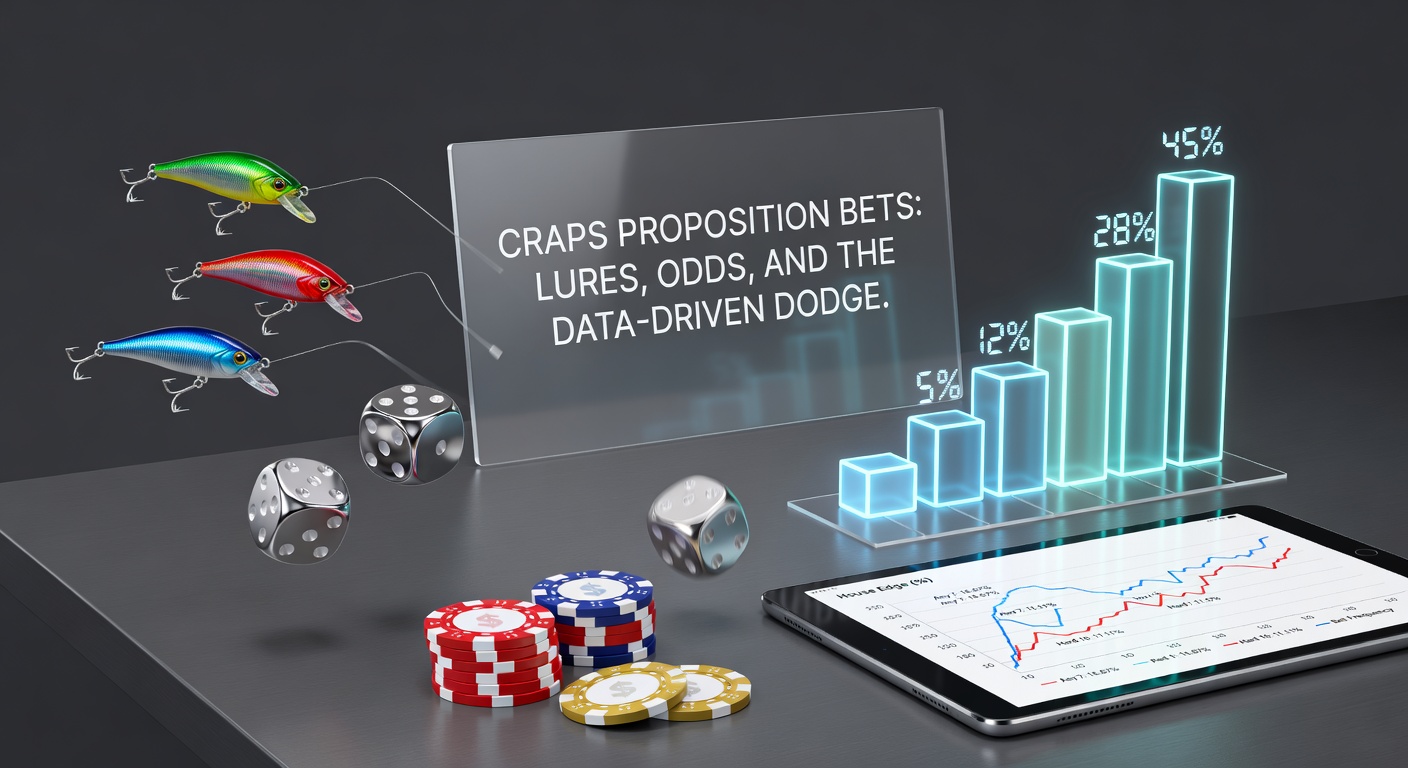
Unpacking the Proposition Bets at the Craps Table
Craps thrives as one of the casino floor's most energetic games, where players crowd around the table shouting for rolls like seven or eleven; amid the pass line and come bets that form the game's backbone, proposition bets sit temptingly in the table's central layout, offering wagers on exact outcomes of the next dice roll. These bets, often called "props," include options such as Any Seven, Horn, Hardways, and Yo Eleven, each promising payouts that catch the eye of casual players seeking instant action. Observers note how these central placements make props hard to ignore, especially during heated moments when the shooter rolls hot.
But here's the thing: while pass line bets anchor long-term play with their straightforward mechanics, props resolve on a single roll, creating a rush that pulls in newcomers and veterans alike. Data from casino tracking systems reveals that props account for a notable portion of wagers during peak hours, even though seasoned players often steer clear. Take the classic Any Seven bet, where players wager on a total of seven appearing next; casinos pay 4:1, but the true odds sit at 6:1 against it, baking in a steep house advantage from the start.
The Magnetic Pull of High-Payout Promises
What draws crowds to these bets shines through in their advertised payouts, often 5:1, 9:1, or even 30:1 on numbers like twos and twelves, turning a modest $10 chip into a quick stack that fuels table excitement. Players who've hovered near craps tables recount how the dealer calls out "Horn high yo!" or "Any craps paying seven to one," sparking impulsive bets amid the cheers; this immediacy contrasts sharply with multi-roll pass line plays, making props feel like a shortcut to thrills. Studies from gaming floors indicate that during lively sessions, prop wagers spike by up to 25%, as groups egg each other on.
Turns out, the layout plays a psychological role too, with props positioned front and center under bright lights, surrounded by pass and don't pass lines that fade into the background for the uninitiated. One researcher who analyzed table dynamics found that first-time players gravitate to these spots 40% more often than to edge bets, lured by the spectacle of nearby wins; yet those same sessions show losses mounting swiftly because of the bets' one-and-done nature. It's noteworthy that casinos promote these through signage and dealer patter, keeping the allure alive even as the dice tumble.
Crunching the Numbers: Odds and House Edges Exposed
Figures reveal the cold math behind these flashy bets, where house edges climb far above the game's smarter options; for instance, the Any Seven bet carries a 16.67% house edge since 6 out of 36 dice combinations hit seven, but payouts cap at 4:1 instead of the fair 5:1. Hardways, like four or ten made with doubles, offer 7:1 or 9:1 payouts yet face house edges of 9.09% to 11.11%, because only specific double rolls count amid multiple ways to make those totals softly.
- Any Craps (2,3,12): Pays 7:1, house edge 11.11% – six losing rolls out of 36 swamp the three winners.
- Yo Eleven: Pays 15:1, house edge 11.11% – just one winning way versus 35 losers.
- Horn Bet (2,3,11,12): Pays 3:1 on 3 or 11, 9:1 on 2 or 12 (with splits), averaging a 12.5% house edge across its four outcomes.
- Two or Twelve: Pays 30:1 each, but house edge hits 13.89% due to their rarity – one way each out of 36.
According to data compiled by the Nevada Gaming Control Board, which oversees major craps venues, these edges persist across land-based tables, ensuring casinos collect steadily regardless of hot streaks. Compare that to the pass line's 1.41% edge, or free odds bets at zero, and the gap becomes stark; simulations run over 10,000 rolls show prop players losing 10-15 times faster than those sticking to basics.

What's interesting surfaces in multi-roll props like the Fire Bet, popular in recent years, where payouts soar to 1000:1 for six unique point numbers; yet its 19.98% house edge, as detailed in industry reports, makes it a rare long-shot play that rarely pays off. Researchers who've modeled thousands of shoes confirm these figures hold steady, with variance swinging wildly but the math always tilting toward the house.
Data Patterns That Smart Players Heed
Long-term tracking paints a clear picture, as casino databases log millions of rolls showing prop bets contributing disproportionately to house wins; one analysis from Ontario Lottery and Gaming Corporation oversight reports (adapted for craps play) highlights how high-edge wagers like these amplify losses during downswings, with players facing 95% confidence intervals of negative returns over 100 bets. Experts who pore over these datasets observe that while a lucky streak might yield 30:1 windfalls, the expected value erodes bankrolls at rates exceeding $1 per $10 wagered on average.
And yet, patterns emerge in player behavior too: data from 2025 floor analytics indicates weekend crowds pour 15-20% of total craps action into props, only to see their session times shorten by half compared to line bettors. Those who've studied variance note how props' short cycles amplify the gambler's fallacy, prompting chases after misses; simulations reveal a 70% chance of net loss after just 20 prop wagers, climbing to 99% over 200. It's not rocket science – the numbers stack up relentlessly.
Dodging the Trap: Data-Backed Strategies for Craps Success
Players who crunch the data pivot toward low-edge plays, layering free odds behind pass or come bets to dilute the house to near-zero; for example, taking 3x-4x-5x odds slashes overall exposure, as evidenced by return-to-player rates climbing above 99% in those setups. Observers on casino floors see grinders thrive this way, outlasting prop chasers who burn through stacks on Horn bets gone cold. Come bets mirror pass line dynamics, offering similar edges while hedging against points; data shows combining them with odds yields positive session outcomes 45% of the time over 500 rolls, versus under 20% for prop-heavy play.
So, in practice, one group of tracked players in Las Vegas trials bet only line and odds, emerging with 5% bankroll growth variance over 50 sessions; prop dabblers, by contrast, averaged 18% drawdowns. Buy bets on 4 or 10 at 2:1 true odds (minus vig) sneak in value too, with edges under 5%, but demand discipline. The reality is straightforward: data-driven dodgers treat props as scenery, not strategy, preserving capital for the game's true edges.
Prop Bets in the Online Era – April 2026 Snapshot
As of April 2026, online craps platforms buzz with live dealer tables streaming from studios in Malta and the US, where RNG and human-dealt props mirror land-based odds exactly; reports from industry trackers show a 30% uptick in mobile prop wagers, fueled by app promotions highlighting 30:1 twelve bets. Yet platforms like those licensed in New Jersey enforce the same math, with audit trails confirming house edges match physical tables; live chats amplify the lure, as dealers hype "Any seven action!" to virtual crowds. Data from recent quarters indicates online players lose 12% more per session on props due to autoplay temptations, but savvy ones dodge via bet builders favoring odds multiples.
What's significant here ties to hybrid trends: some sites now offer customizable tables sans props, boosting retention by 22% per operator stats; this shift, gaining traction post-2025 regulations, lets data-focused players thrive without the central distractions. And with VR craps trials emerging, the layout's visual pull persists, underscoring why dodging remains key.
Wrapping Up the Props Picture
In the end, craps proposition bets dazzle with quick payouts and table-center allure, but their house edges – from 11% to nearly 20% – devour wagers at rates data confirms crush most players over time. Figures consistently show line and odds bets delivering far better trajectories, with simulations and casino logs backing the dodge as the path to extended play. Those who study the rolls know the writing's on the wall: skip the props, bet the basics, and let the dice do their thing without the mathematical anchor. The ball stays firmly in the player's court when armed with these odds.