Casino Floor Designs Shape How Regular Players Pick Their Games
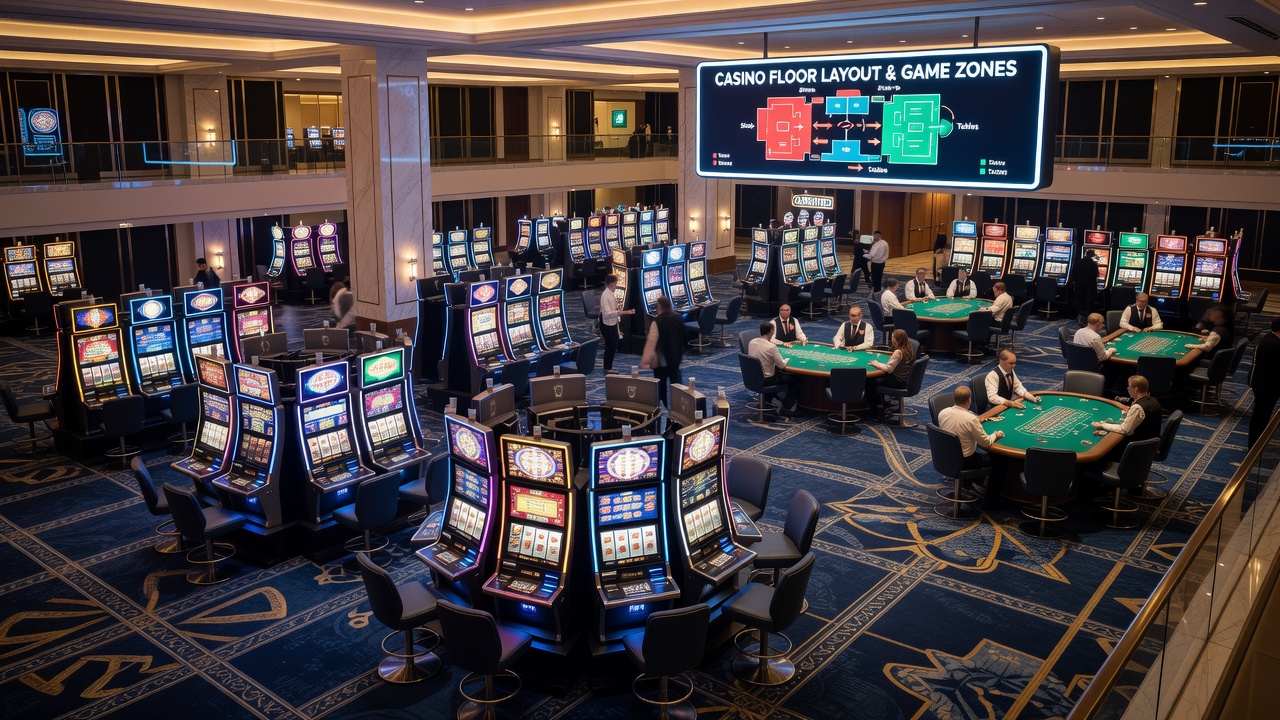
Research from the University of Nevada Reno's International Gaming Institute shows that casino floor layouts have evolved considerably since the mid-20th century, moving from simple rectangular arrangements to complex configurations that guide visitor movement through the space. Data collected across multiple jurisdictions indicates these designs influence where frequent visitors spend their time and which games they select during repeated visits. Observers note that elements like pathway width, lighting intensity, and machine clustering create predictable traffic flows that regulars learn to navigate over time.
Core Layout Strategies Observed in Major Markets
Casinos in Nevada and New Jersey have long employed variations of the "maze" model, where slot banks form winding corridors that extend dwell time in high-margin areas. Studies compiled by the Nevada Gaming Control Board through 2025 reveal that this approach correlates with increased play on video slots positioned along primary routes. In contrast, newer properties in Pennsylvania and Michigan have adopted more open "racetrack" designs that circle central table game pits, and figures from state regulators show these setups draw regulars toward blackjack and roulette stations during evening hours when foot traffic peaks.
Placement of progressive jackpot banks near entrances appears in multiple properties, with industry reports noting that frequent visitors often encounter these machines first upon arrival. This positioning strategy aligns with behavioral data indicating early-session decisions shape subsequent game selections throughout a visit.
How Regulars Adapt to Spatial Cues
Frequent visitors develop familiarity with specific casino layouts, and tracking studies conducted in Las Vegas properties demonstrate that these individuals adjust their paths based on learned associations between zones and game types. For instance, data from loyalty program analytics shows regulars who favor table games tend to bypass outer slot corridors entirely after several visits, moving directly toward interior pits. Conversely, slot enthusiasts cluster in perimeter areas where machines offer higher denominations or themed progressives.
Lighting transitions between sections also factor into selection patterns. Brighter zones around video poker banks attract daytime regulars according to operational reports, while dimmer table areas see increased evening activity among the same group. These shifts occur without explicit signage, relying instead on environmental cues that repeat across properties.
Regional Variations and Recent Trends Through Mid-2026
Facilities in Atlantic City have incorporated hybrid layouts that blend traditional slot rows with dedicated sports betting zones, and regulatory filings indicate this change has shifted some frequent visitors away from older machine areas toward integrated betting stations. Meanwhile, properties in Mississippi riverboat casinos maintain more linear arrangements due to space constraints, resulting in different selection sequences documented in state compliance reports.
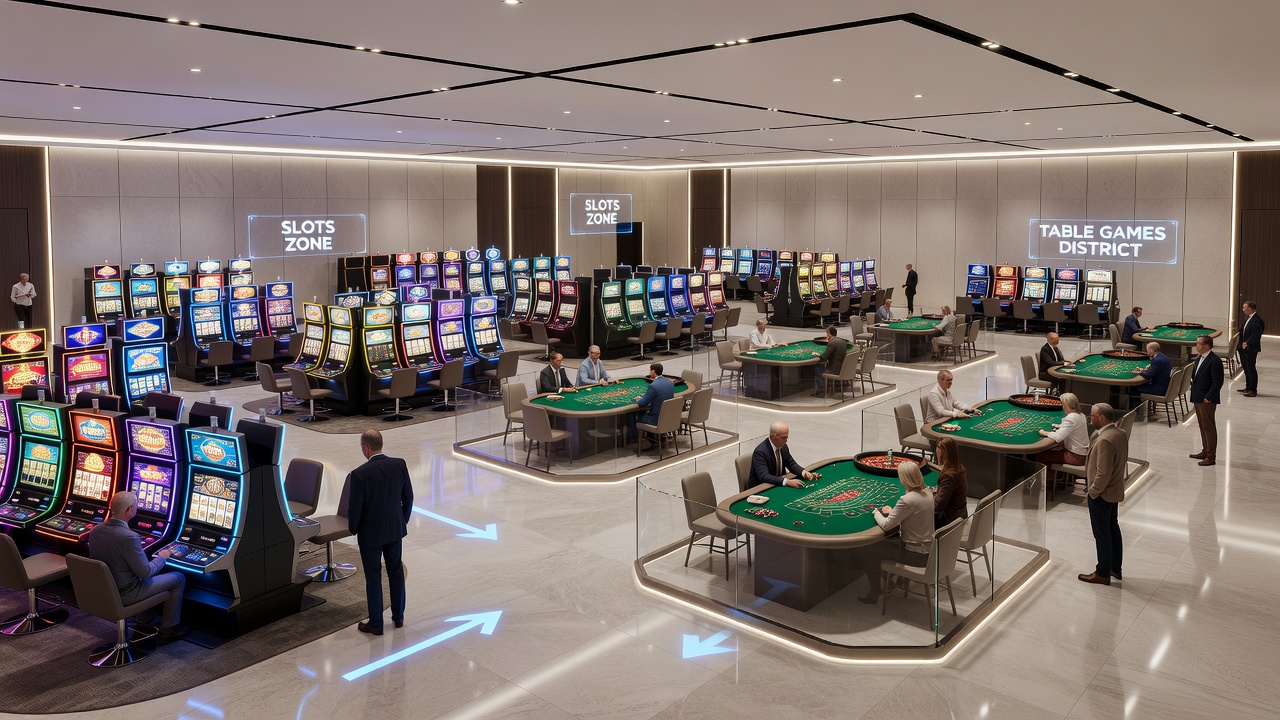
Digital mapping tools introduced in several large resorts by July 2026 allow operators to analyze real-time movement data, revealing how regulars modify routes in response to temporary layout changes such as machine relocations or event setups. These adjustments appear consistent across visitor cohorts tracked through carded play records.
Data Points on Game Selection Shifts
Analysis of play patterns from multiple properties indicates that visitors averaging more than eight visits per year show stronger correlations between floor position and game choice than occasional players. Slot machines located within 15 feet of main walkways record higher average session lengths among regulars, while table games positioned near restrooms or dining exits see different traffic rhythms.
Operators have responded by clustering similar game types in distinct "neighborhoods," a tactic that research from gaming analytics firms links to increased loyalty program engagement. Frequent visitors often return to the same neighborhood across visits, reinforcing established selection patterns rather than exploring new sections.
Conclusion
Casino floor layouts continue to function as active systems that channel visitor behavior, with data from regulatory bodies and academic sources confirming measurable impacts on game selection among frequent guests. As properties refine these designs through 2026 and beyond, the relationship between spatial arrangement and player patterns remains a central operational consideration across major markets.